
The core values of futsal: a complete guide
Five players, a small court and nowhere to hide: why futsal is a school of team spirit, respect and fair play, and how to pass these values on.
In this article · 12 chapters
- Team spirit: the first of futsal’s core values
- Respect: a universal value
- Fair play: futsal’s values in action
- The joy of the game: the driving force
- Cultural exchange: a modern value
- Passing on futsal’s values
- The impact of futsal’s values on society
- Challenges and outlook
- 🏆 Rate your futsal values
- Frequently asked questions
- Conclusion: the future of futsal’s values
- Useful links and sources
Imagine a sport where every second counts, where technique matters more than brute force and where team spirit counts for more than individualism. That is exactly what futsal represents: a discipline that goes well beyond the game itself and carries real core values.
Futsal is not just a variant of football. It is a sport in its own right, built on a few fundamental principles: team spirit, respect, fair play, the joy of the game and cultural exchange. These values shape players not only on the court but also in their everyday lives.
Team spirit: the first of futsal’s core values
Why is team spirit central to futsal?
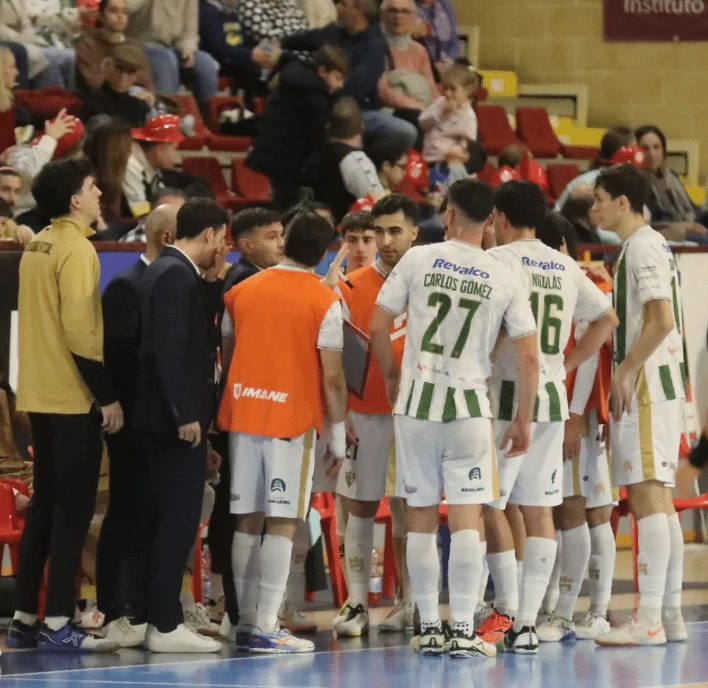
Team spirit is the cornerstone of futsal’s values. Unlike 11-a-side football, futsal is played with only 5 players per team, which makes every individual essential to the group.
This set-up creates a natural interdependence between players. Every action, every pass and every defensive effort depends on the team’s coordination. A single player who ignores this philosophy can undermine the whole group.
Team spirit in practice
On the court, team spirit shows through:
- Constant communication between players
- Helping each other in defence and attack
- Sharing responsibilities according to the tactical formation
- Celebrating successes together
Off the court, it means:
- Supporting team-mates who are struggling
- Sharing technical and tactical knowledge
- Solidarity in difficult times
- Including every member of the team
The impact of team spirit on young players
Futsal’s values have a particularly strong impact on young players. Team spirit teaches them:
- Cooperation rather than internal competition
- Listening and taking others into account
- Collective responsibility for results
- Mutual trust, essential to the game
These lessons go well beyond sport and influence their future social and professional behaviour.
Respect: a universal value
The different dimensions of respect in futsal
Respect is an integral part of futsal’s values and takes several forms:
Respect for opponents
- Recognising their qualities
- Accepting defeat with dignity
- Avoiding provocation and unsporting gestures
Respect for referees
- Accepting decisions, even debatable ones
- Communicating respectfully with officials
- Understanding their essential role
Respect for the rules
- Knowing and applying futsal’s specific rules
- Following the substitution procedure
- Applying fair play in all circumstances
How to teach respect to young players
Coaches and educators play a crucial role in passing on this value:
| Method | Description | Impact |
|---|---|---|
| Leading by example | The coach sets the example through their own behaviour | Very high |
| Educational discussions | Talking about why respect matters | High |
| Educational sanctions | Consequences in proportion to the lapse | Medium |
| Rewarding fair play | Praising respectful behaviour | High |
Respect as preparation for adult life
Futsal’s values, and respect in particular, prepare young people for adult life. They learn:
- Acceptance of legitimate authority
- Tolerance of difference
- Diplomacy in relationships
- Humility in both failure and success
Fair play: futsal’s values in action
What fair play means and why it matters
Fair play is the practical application of futsal’s values. It is characterised by:
Sporting honesty ✅
- Owning up to your own fouls
- Refusing to cheat
- Accepting the referee’s decisions
Generosity towards the opponent 🎯
- Helping an injured player
- Acknowledging the opponent’s good moves
- Congratulating them after the match
Self-control 🧘
- Mastering negative emotions
- Avoiding outbursts
- Focusing on the game rather than on provocation
Concrete examples of fair play in futsal
- Stopping play when an opponent is injured
- Giving the ball back after a stoppage for an injury
- Applauding the opposing team after a fine move
- Accepting an unfavourable decision without protest
- Helping an opponent up after contact
These gestures may seem minor, but they strengthen sporting spirit and futsal’s positive image.
The joy of the game: the driving force
Why is enjoyment essential?
The joy of the game drives all the other values. Without enjoyment, they lose their meaning and spontaneity.
This playful dimension shows through:
- Players’ visible enthusiasm
- Creativity in technical skills
- Spontaneous celebrations
- The desire to improve and to play
How to keep the joy in futsal
For coaches
- Vary drills and game situations
- Encourage creativity rather than rigidity
- Celebrate individual and collective progress
- Keep the atmosphere positive, even after a defeat
For players
- Focus on the process rather than the result
- Appreciate good play, even from the opponent
- Stay open to learning
- Share your passion with your team-mates
For parents and supporters
- Encourage without excessive pressure
- Value effort, not just performance
- Respect the coach’s decisions
- Create a positive atmosphere in the stands
How enjoyment affects performance
Contrary to popular belief, enjoyment tends to improve performance. Coaches’ experience, backed by sports psychology, suggests that players who enjoy themselves:
- Improve faster technically
- Cope better with the stress of competition
- Stay motivated for longer
- Develop better game intelligence
Cultural exchange: a modern value
Futsal brings people together
Futsal’s values naturally include cultural exchange. Played all over the world, the sport brings different cultures together.
This happens through:
- International competitions such as the Futsal World Cup (FR)
- Inter-community tournaments
- Exchange camps between clubs
- International friendlies
The benefits of exchange
For players:
- Discovering new techniques and tactics
- Openness to other sporting mentalities
- Learning foreign languages
- Developing adaptability
For clubs:
- A higher level of play
- Lasting partnerships
- A better reputation
- Access to new audiences
For communities:
- Stronger social ties
- Promoting tolerance
- Local economic development
- Cultural visibility
Organising successful exchanges
- Prepare the meetings carefully
- Set clear, shared objectives
- Organise activities beyond sport
- Follow up after the exchange
- Document the experience
Passing on futsal’s values
The role of coaches and educators
Coaches play a crucial role in passing on futsal’s values. Their mission goes well beyond technique and includes education in the broadest sense.
Effective teaching methods:
- Leading by example: showing the way through their own behaviour
- Dialogue: explaining what the values mean
- Practice situations: designing drills that reward the right attitudes
- Recognition: praising positive behaviour
- Kind correction: correcting without humiliating
Involving families
Families are an essential relay for anchoring these values:
- Back up the coach’s messages
- Value effort, not just the result
- Set an example in the stands
- Encourage regular practice
- Take part in club life
Building a club culture
The most successful clubs build a real culture around these values:
| Element | Description | Impact |
|---|---|---|
| Values charter | A written document setting out the club’s principles | Structure |
| Team rituals | Habits that strengthen group spirit | Cohesion |
| Ongoing training | Regular sessions on the values | Improvement |
| Behavioural assessment | An assessment system (FR) that includes attitudes | Motivation |
The impact of futsal’s values on society
Developing responsible citizens
Futsal’s values help shape responsible citizens. Players develop:
Social skills:
- Leadership and initiative
- Empathy and understanding of others
- Conflict resolution
- Teamwork
Personal qualities:
- Perseverance in the face of difficulty
- Humility in victory and defeat
- Respect for rules and authority
- Solidarity with the most vulnerable
Contributing to social cohesion
Through its values, futsal strengthens social cohesion:
- Social diversity within teams
- Integration of newcomers
- Easing community tensions
- Building links between generations
Success stories
Many examples illustrate the positive impact of futsal’s values:
In Europe:
- Integration programmes through futsal in Spain
- Club projects in Italy, as shown by Meta Catania’s success (FR)
- Community initiatives in Portugal, with clubs such as Benfica (FR)
In France:
- Futsal growing in disadvantaged neighbourhoods
- School programmes built around the values of sport
- Partnerships between clubs and social organisations
Challenges and outlook
Current challenges
Despite their benefits, futsal’s values face several challenges:
Excessive commercialisation
- The risk of putting the show ahead of values
- Financial pressure on clubs
- The negative influence of economic stakes
Changing attitudes
- Growing individualism in society
- Declining respect for authority
- The search for instant results
Competition from other activities
- The pull of screens and video games
- Less free time for young people
- An ever wider range of sports on offer
Strategies for adapting
Innovative teaching:
- Using new technologies
- Adapting to the way young people learn today
- Developing attractive programmes
Modern communication:
- Using social media
- Creating engaging content
- Testimonials from influential players
Strategic partnerships:
- Working with schools
- Support from local authorities
- Involving the private sector
Outlook
The future of futsal’s values looks promising, with:
- Official recognition of sport’s educational role
- Specialised programmes
- More international exchanges
- More professional educational coaching
🏆 Rate your futsal values
Move each slider to rate yourself honestly from 1 to 10. Your total and profile update instantly.
5/10
5/10
5/10
5/10
5/10
Your total: 25/50
Frequently asked questions
What are the main core values of futsal?
Futsal’s core values are team spirit, respect, fair play, the joy of the game and cultural exchange. They stand out because they apply concretely on and off the court, shaping players’ character and strengthening community ties.
How does futsal develop team spirit more than other sports?
Futsal encourages team spirit through its specific features: teams of 5, a small court and unlimited rolling substitutions. This creates a natural interdependence in which every player relies on their team-mates, making collaboration essential.
Why is respect considered a central value?
Respect is a core value because it applies to every aspect of the game: respect for opponents, referees, the rules and yourself. It has a positive influence on players’ everyday behaviour and on the sport’s image.
How can you keep the joy of the game in a competitive context?
Balance competition with learning, value individual progress as much as collective results and keep the atmosphere positive. Coaches play a key role by varying drills and celebrating good play, even in defeat.
How do futsal’s values prepare you for working life?
They develop transferable skills: teamwork, stress management, respect for authority, adaptability and communication. These qualities, learned on the court, prove valuable at work and in society.
Conclusion: the future of futsal’s values
Futsal’s core values are much more than a sporting code of conduct. They are a genuine educational project that shapes tomorrow’s citizens. Through team spirit, respect, fair play, the joy of the game and cultural exchange, futsal offers a unique learning environment.
The impact of these values goes well beyond the court. Players brought up in this spirit naturally become ambassadors for these principles in their daily lives.
Looking ahead, these values must be preserved and strengthened in the face of modern challenges. That requires commitment from everyone: players, coaches, families, clubs and institutions.
Explore more about futsal on MEDIA FUTSAL and deepen your knowledge of this ever-evolving sport.
Useful links and sources
- UEFA – Futsal: European competitions, news, videos and statistics. uefa.com/futsaleuro
- FIFA – Futsal: the Futsal World Cup, official rules and development initiatives. fifa.com
- Futsal Zone TV (in French): broadcasts of French D1 Futsal matches and shows. futsalzone.tv
- Agence nationale du Sport (in French): specifications for futsal court construction and standards. PDF document