The impact of futsal on football: how the small court shapes great talent
Ronaldinho, Neymar, Messi: many of football's great technicians grew up on indoor courts. How futsal develops technique, decision-making and fitness, and why academies are adopting it.
In this article · 6 chapters
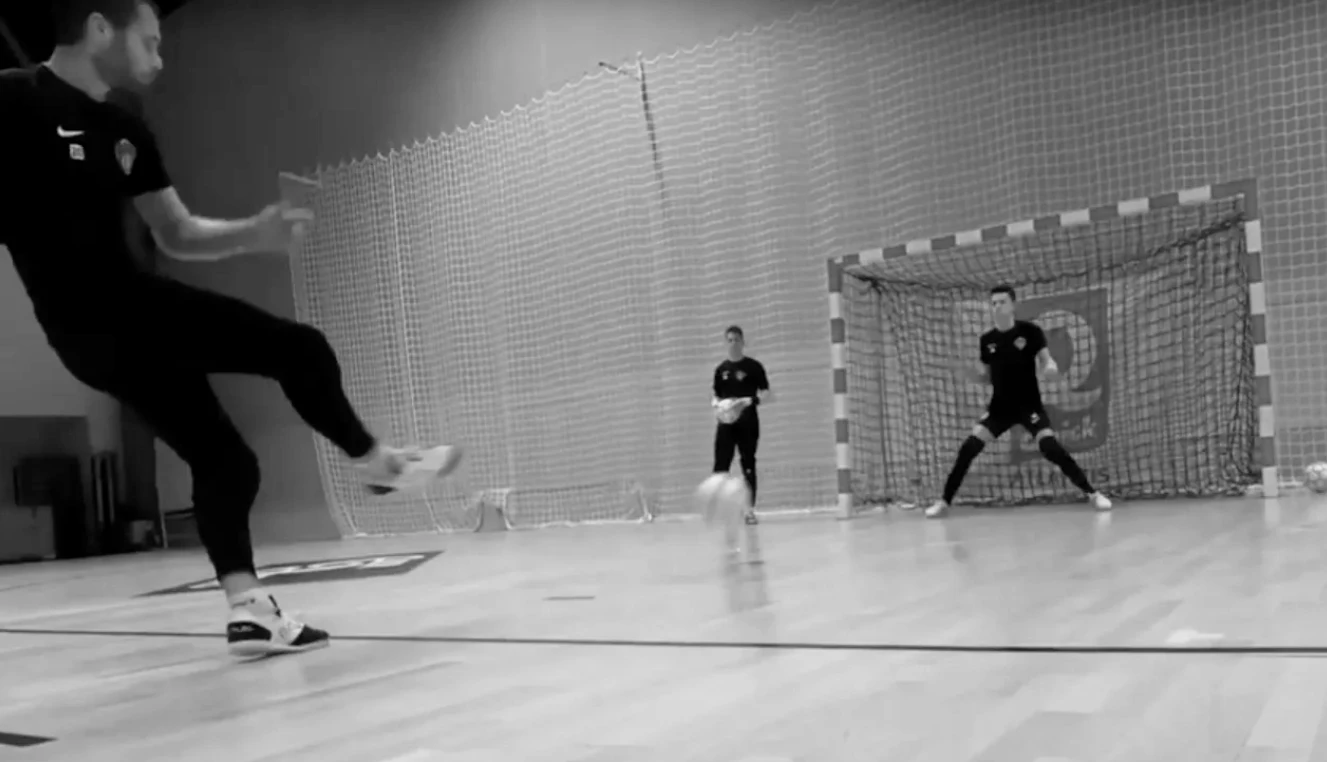
Far from being simply a small version of traditional football, futsal has established itself as a genuine technical laboratory for player development. This increasingly popular discipline brings considerable benefits both for youth development and for the tactical evolution of 11-a-side football. Great names such as Neymar, Ronaldinho and Messi honed their exceptional technique on indoor courts before shining on grass. Let us explore how the indoor game influences and transforms modern football, from individual technique to collective approaches.
The history and evolution of futsal: from its origins to world recognition
Futsal’s South American roots
Futsal was born in the 1930s in Uruguay, designed as an accessible alternative to traditional football. Originally developed to be played indoors with teams of five, the format spread quickly across South America before conquering the world. Some of its rules were inspired by basketball, encouraging quick dribbling and passing on the move, which make the game far more dynamic. Read the full history of futsal.
International recognition and institutionalisation
A major turning point came when FIFA took futsal under its wing in 1989 and established standardised rules, giving the sport structure and credibility. This led to international competitions such as the FIFA Futsal World Cup, pushing national teams to professionalise and attracting the attention of major sports brands.
The growth of futsal in France and worldwide
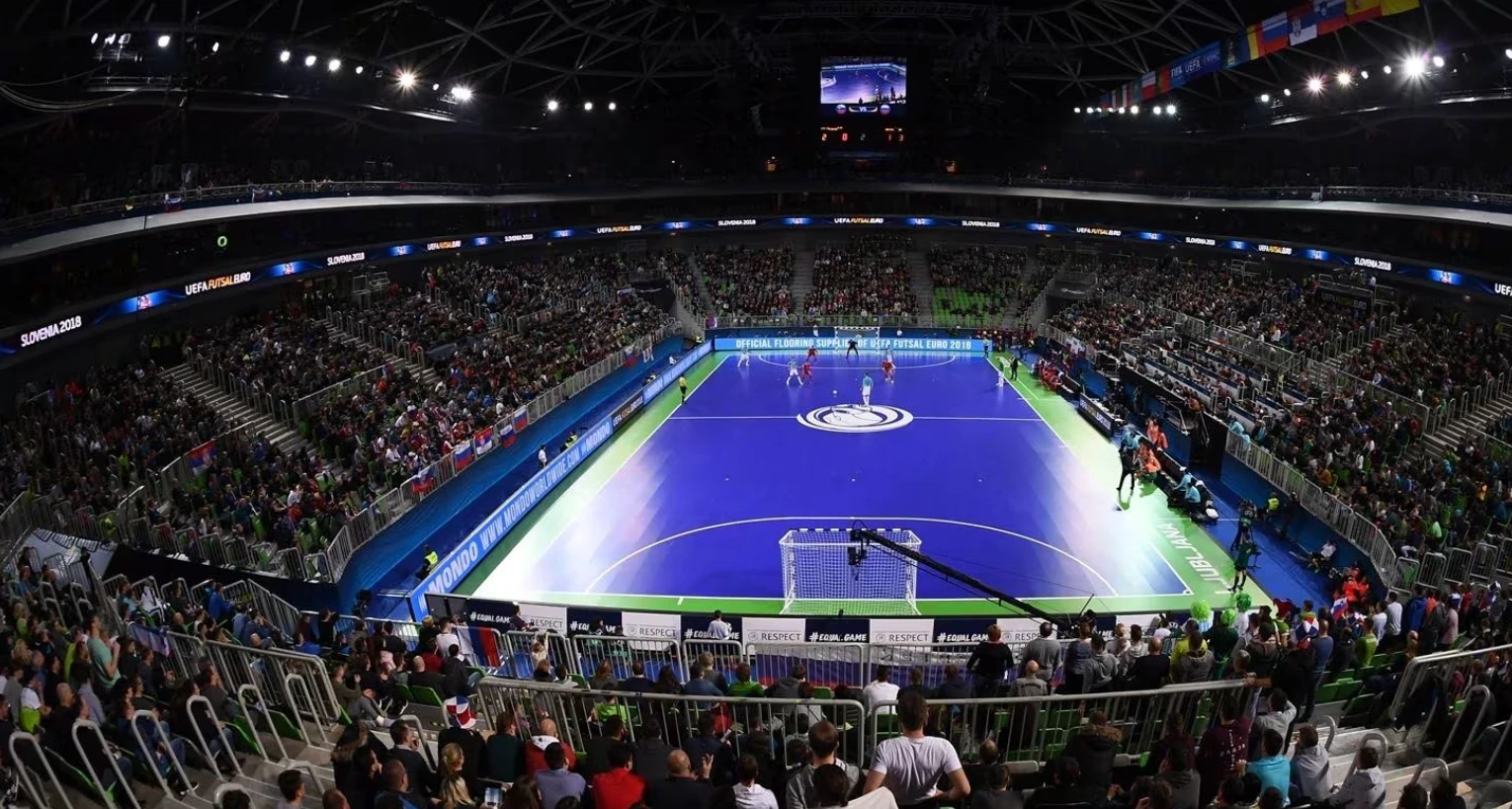
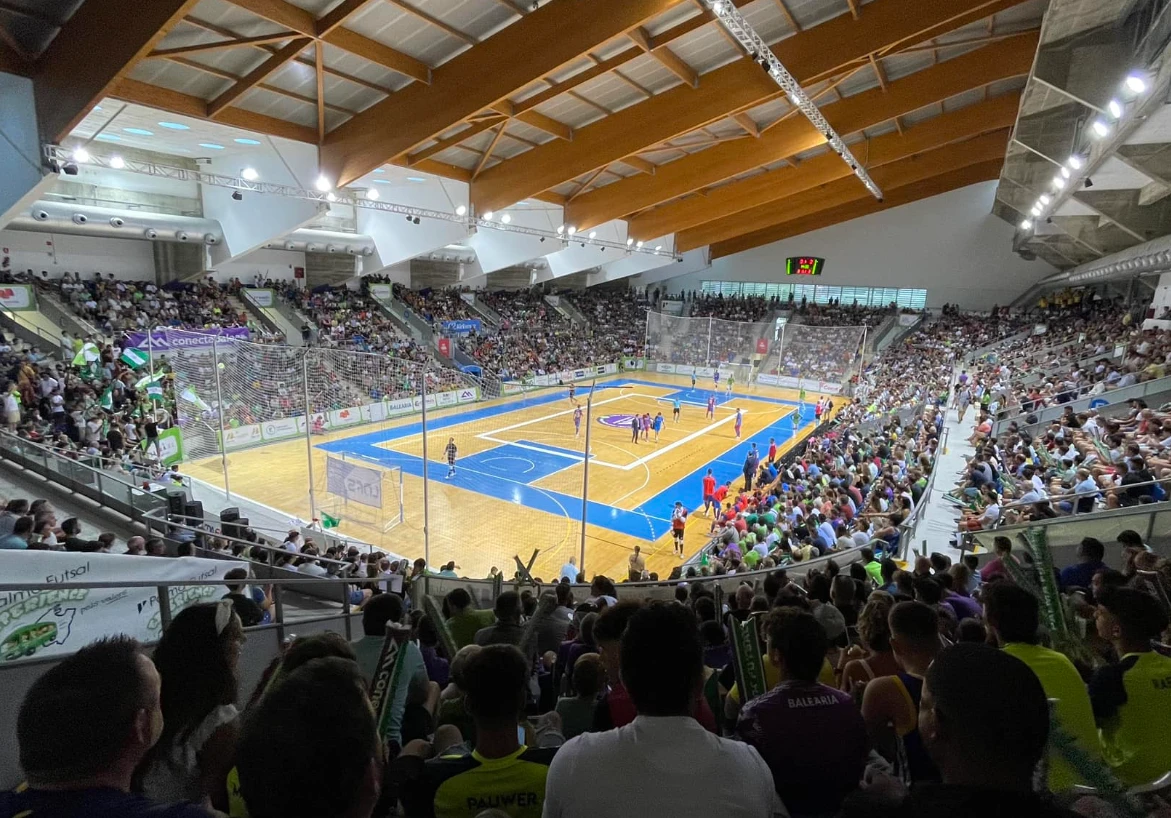
While futsal has been firmly established for decades in countries such as Brazil, Spain and Portugal, its development in France is more recent, dating back about ten years. It first grew in the Paris region and the north of the country, partly because of a climate that favours indoor sport. France’s run to fourth place at the 2024 World Cup in Uzbekistan raised the sport’s profile in the country.
The benefits of futsal for player development
Technical excellence in tight spaces
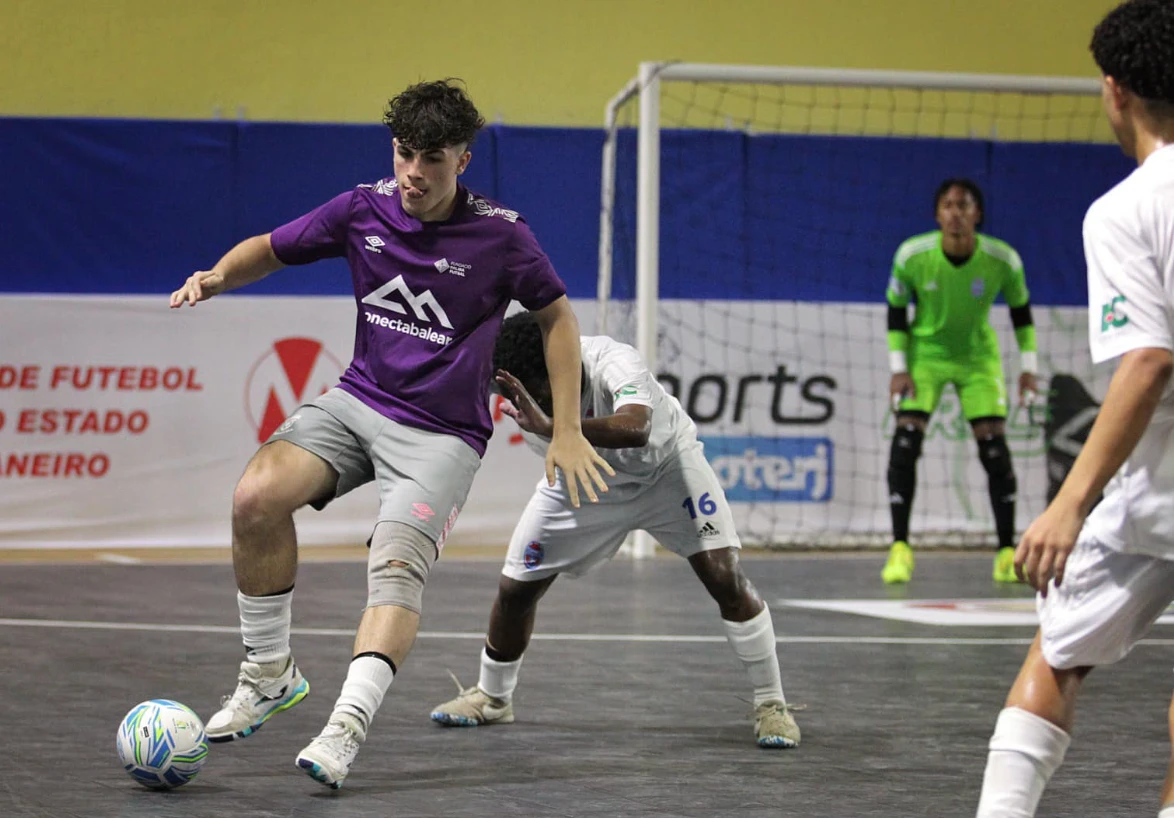
Futsal’s main strength is its ability to develop technical mastery under pressure. Because space is so tight, players must perfect their ball control, passing and dribbling with surgical precision. Futsal forces players to optimise their basic technique: the dribble must be short, the pass pinpoint and the control perfectly judged. This technical accuracy becomes a major asset when the player moves on to a big pitch, where they have more space and time.
Tactical intelligence and reading the game
In futsal, as the saying goes, the brain works at a thousand miles an hour. Players have no time to think and must make the right choices instantly. This ability to anticipate, decide quickly and see the game before even receiving the ball develops valuable tactical intelligence. Players also learn the importance of constant movement, runs to receive and creating space, skills that transfer directly to 11-a-side football.
Specific physical development
Contrary to popular belief, futsal is extremely demanding physically. Although the total distance covered is lower than in football (3.5 to 6 km against 8 to 12 km), the intensity of the efforts is much higher. Futsal players particularly develop:
- Sharpness and speed, with a much higher tempo
- The cardiovascular system, thanks to intense, repeated runs
- Footwork and changes of direction at high frequency
Cohesion and team spirit
Futsal strongly reinforces the collective side of the game. With only five players on the court and often a squad of no more than 12, solidarity and cohesion become essential. Every individual mistake immediately affects the team, which makes players take responsibility and develops a keen sense of collective play. This collective intelligence is a considerable asset when transferred to 11-a-side football.
The impact of futsal on professional football
Great players who came through futsal: more than a coincidence
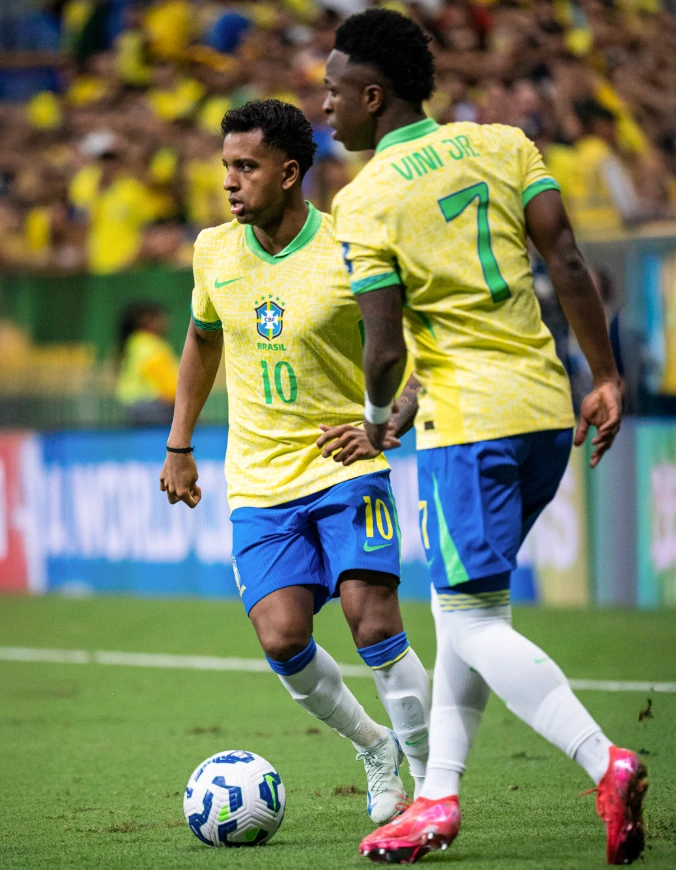
It is no accident that Brazilian and South American players are often so gifted technically. In Brazil, young players generally play futsal until about 14 before moving to the big pitch. Legends such as Ronaldinho, Neymar and Robinho, and French striker Wissam Ben Yedder, all benefited from futsal in their youth. Lionel Messi is also often cited as the archetype of a player whose style recalls the qualities futsal develops: short bursts, intelligent movement and technical mastery in tight spaces.
Futsal in academy programmes
Professional clubs increasingly include futsal in their youth programmes. French clubs such as Paris Saint-Germain and Olympique Lyonnais have started to use it to strengthen their young players’ technical skills. This integrated approach lets players develop their abilities in different contexts and prepares them for a variety of game situations.
Futsal techniques in 11-a-side football
Futsal’s influence can now be seen in the skills of top-flight players. Like the sole control, popularised in Ligue 1 by players such as Rafinha at PSG and Renato Sanches at Lille, futsal techniques are gaining ground in professional football. Pierre Jacky, former coach of the France futsal team, confirms the trend: “The beauty of the sole is that it lets you hold the ball a little as if with your hand. You can look up straight away and take in information around you.”
Other futsal skills are also spreading:
- No-look passes, which save precious time
- Chipped passes, particularly effective against a flat defence
- The rabona, for some short crosses
Futsal and 11-a-side football compared
Specific rules that shape the game
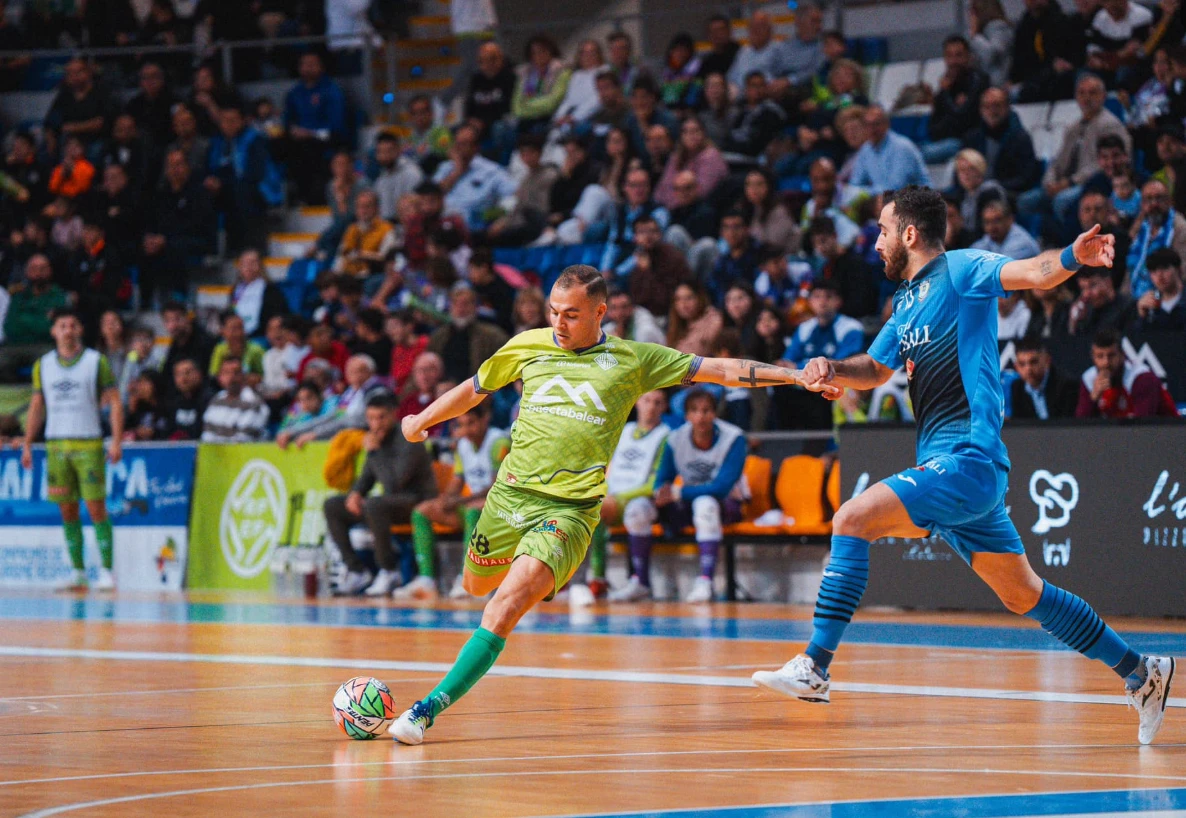
Futsal has its own rules that set it fundamentally apart from traditional football. Strict limits on tackling, starting with the ban on sliding tackles, are one of the major differences, favouring technique and fair play. This forces defenders to develop other qualities to win the ball, such as anticipation and positioning. And the absence of offside makes the game more fluid and dynamic. See futsal vs indoor football.
Different but complementary physical demands
Although the distances covered are much shorter in futsal, the intensity and repetition of efforts are higher. A futsal match involves more transitions, so players constantly alternate between attacking and defensive phases. Top speeds also differ: 26 to 30 km/h in futsal against 31 to 35 km/h in 11-a-side football, mainly because of the size of the court.
A specific tactical approach
Futsal tactics are particularly sophisticated because space is so limited. Every phase of play, whether a kick-in, a free kick, a corner or a goalkeeper’s distribution, comes with a specific tactic. Players must master many patterns and adapt them instantly to the situation. This tactical richness is a valuable asset for players who then move on to 11-a-side football. See our guide to futsal formations and tactics.
The future of futsal and what is at stake
Structure and professionalisation in France
Developing futsal in France requires better structure. French clubs are asking for more support from the French Football Federation, particularly financial help to improve facilities. Gradual professionalisation would offer real career prospects to specialist players and coaches.
Partnerships and media coverage
Futsal’s future also depends on its ability to attract strategic partners. The growing involvement of major brands such as Nike, Adidas, Puma and Kappa is a positive sign. These partnerships could increase media coverage and generate long-term investment, creating a virtuous circle for the whole futsal ecosystem.
The role of futsal in physical education
Futsal is also gaining ground in schools. In France, it has been included in primary and secondary school PE, sometimes preferred to traditional football because it is more educational. Its teaching advantages are many: it favours technical learning, limits violent contact and allows regular play whatever the weather. Futsal is becoming an ideal teaching tool for introducing children to football. See our guide to futsal for children.
Conclusion: futsal, football’s innovation laboratory
Futsal is no longer just a variant of football but a genuine accelerator of development for players of every level. Its technical, tactical and physical specificities make it an ideal complement to 11-a-side football, and even a fundamental first step in developing young players.
As Patrick Pion, former coach of the France under-21 team, put it: “Futsal is an excellent way to start football because it immediately teaches young players the basics of the game. A futsal player must play quickly, not hog the ball and, above all, attack as much as they defend.”
The future of football may well depend on developing futsal further, following the example of the great technical football nations such as Brazil, Spain and Portugal. The relationship between the two disciplines is now symbiotic: futsal grows thanks to professional football, while football is enriched by the technical and tactical contributions of its little indoor brother.