Injury prevention in futsal: advice and best practices
Ankles and knees take most of the strain in futsal. The most common injuries, the warm-up and strengthening work that prevents them, the right equipment and what to do when an injury happens.
In this article · 10 chapters
- Understanding futsal injuries: a necessary overview
- The crucial importance of proper preparation
- Essential techniques and practices for safer play
- Protective equipment: your indispensable ally
- Ensuring a safe playing environment: a shared responsibility
- Knowing yourself and the sport: playing smart
- Extra tips for even safer play
- Prevention programmes and specific training: going further
- Conclusion: playing long and safely
- Quiz: futsal injury prevention
Futsal, the fast, dynamic sport that thrills crowds, demands remarkable agility, technique and endurance. But the intensity of play on a small court can sometimes lead to injuries. Whether you are an experienced coach, a passionate player or a concerned parent, injury prevention is essential for playing this exciting sport safely and for the long term. Drawing on years of experience in futsal, this article sets out the advice and best practices to minimise the risks and enjoy every moment on the court.
Understanding futsal injuries: a necessary overview
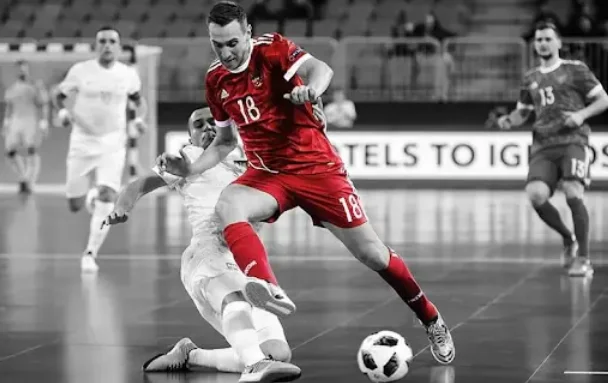
Before diving into prevention strategies, it is crucial to understand the most common futsal injuries. Strains, sprains (especially of the ankle) and fractures are unfortunately realities players may face. They are often the result of contact between players, falls or tackles. The fast pace and frequent changes of direction put heavy stress on joints and muscles, which makes proper preparation and good technique essential.
Futsal: managing the risk
An ultra-high-intensity sport. Futsal is defined by explosive accelerations, constant changes of direction and powerful shots. This intensity, spectacular as it is, puts the body under extreme biomechanical stress, which makes injury prevention not an option but an absolute necessity for a lasting career.
Around 12.5 injuries per 1,000 hours of exposure: a rate significantly higher than in many other sports, which underlines the importance of targeted preparation.
Where and how do players get injured?
Unsurprisingly, the lower limbs take the vast majority of injuries. The ankle and knee are the most heavily loaded joints, and therefore the most at risk.
| Body area | Share of injuries |
|---|---|
| Ankle | 35% |
| Knee | 25% |
| Thigh (hamstrings) | 15% |
| Adductors / hip | 10% |
| Foot | 8% |
| Other | 7% |
Muscle and ligament injuries dominate, caused by rapid movements and contact. Good physical preparation can drastically reduce how often they occur.
| Type of injury | Relative frequency |
|---|---|
| Ligament injuries (sprains) | 40% |
| Muscle injuries (tears) | 30% |
| Bruises | 15% |
| Tendinopathies | 10% |
| Fractures | 5% |
Prevention, your best attack: the 4-step protocol
A structured prevention protocol is the pillar of performance and longevity. It is not only about avoiding injury but about optimising the body’s athletic potential.
- Dynamic warm-up: neuromuscular activation and raising body temperature.
- Targeted strengthening: focus on the hamstrings, adductors and core.
- Proprioception work: improving balance and joint stability (ankles, knees).
- Mobility and flexibility: maintaining range of motion and muscle suppleness.
Managing an injury: the P.O.L.I.C.E. protocol
Even with the best prevention, injuries can happen. A quick, correct response is crucial to limit the damage and speed up healing.
- 🛡️ Protection: protect the injured area from further trauma.
- 🏃 Optimal Loading: move gently, without pain, to stimulate healing.
- ❄️ Ice: apply ice to reduce pain and inflammation.
- 🩹 Compression: use a bandage to limit swelling.
- 📈 Elevation: raise the injured limb above the level of the heart.
Recovery: the invisible training
What you do off the court is just as important as what you do on it. Recovery drives progress and resilience.
- 🌙 Sleep: essential for repairing muscle tissue, regulating hormones and consolidating motor memory. Aim for 8 to 10 hours a night.
- 💧 Hydration: even mild dehydration (1–2%) reduces performance and increases the risk of muscle injury. Drink regularly throughout the day.
- 🍎 Nutrition: nutrients are your body’s building blocks. Enough protein, complex carbohydrates and healthy fats is fundamental for rebuilding.
Suggested macronutrient split on intense training days (to adapt to each person, their goals and metabolism): carbohydrates (energy) 55%, protein (repair) 25%, fats (vital functions) 20%.
This infographic is for information only and does not replace professional medical advice.
The crucial importance of proper preparation
The key to effective prevention is careful preparation. A well-prepared body is more resistant to the stresses of the game.
Optimal fitness: the foundation of prevention
Keeping in good physical condition all year round is essential. A balanced training programme that includes aerobic work, strength training and flexibility exercises prepares the body for the demands of futsal. Increase the intensity and length of your sessions gradually to avoid overloading your body. See our guide to physical preparation for futsal.
The warm-up: preparing the body for action
Never skip the warm-up before training or a match. Cold muscles are more likely to get injured. A good warm-up should last at least 20 minutes and include light cardiovascular work such as jogging, dynamic stretches (wide, controlled movements) and futsal-specific exercises with the ball. Exercises such as arm circles, trunk rotations, high knees and heel flicks are excellent for getting the body ready.
Stretching: improving flexibility and recovery
Stretching after training is just as important as warming up. It helps reduce muscle soreness and keeps the muscles supple. Focus on the main muscle groups used in futsal, such as the hamstrings, quadriceps, calves and hip flexors. Hold each stretch for 20 to 30 seconds, gently and without bouncing.
Hydration: a key factor that is often underestimated
Proper hydration is essential before, during and after exercise. Dehydration can harm athletic performance and increase the risk of injury. Drink water or sports drinks regularly to stay properly hydrated.
Essential techniques and practices for safer play
Mastering the basic techniques of futsal is also a fundamental part of injury prevention.
Proper technique: the basis of safe movement
Learn and perfect the correct techniques for kicking, heading and tackling. Poor execution can cause injuries, both to you and to your opponents. Ask your coach for advice to improve your technique.
Respecting the rules: a commitment to everyone’s safety
Respecting the rules and fair play are essential. Avoid unnecessary physical contact and dangerous play. Clean play considerably reduces the risk of collisions and injuries. Make sure referees are qualified and the rules are applied consistently.
Protective equipment: your indispensable ally
The right equipment is an essential barrier against injury.
Shin guards: an essential barrier
Shin guards are compulsory and crucial to protect your legs from knocks. Choose light, comfortable shin guards that protect properly without restricting your movement. Make sure they fit well and are covered by your socks.
Suitable futsal shoes: your anchor to the court
Choosing the right futsal shoes is fundamental. Unlike football boots, futsal shoes have flat, non-marking rubber soles that give excellent grip and great manoeuvrability on hard indoor surfaces. They are designed for quick movements and changes of direction. Make sure they are the right size and properly laced. See our guide to choosing futsal shoes.
No gloves for the goalkeeper, but specific protection
If you are a goalkeeper, wearing gloves will get in the way of the quick, precise distribution that futsal demands. Nevertheless, faced with powerful shots, your hands can take a real beating! To protect them while keeping a good grip on the ball, you can tape some of your fingers: this strengthens the joints and reduces finger injuries. Read why futsal goalkeepers do not wear gloves.
Ensuring a safe playing environment: a shared responsibility
The safety of the playing area is everyone’s responsibility.
Checking the playing surface: eliminating risks
Before you start playing, check the condition of the playing surface. Make sure there are no holes, debris, water or damp patches that could cause slips, falls or injuries.
Goal safety: an absolute must
Check that the goals are properly padded and firmly anchored to the floor. Poorly secured goals can tip over and cause serious injuries. After use, dismantle, remove or secure portable goals.
Weather conditions: adapting your practice
In cold weather, wear suitable clothing, especially at the start of the session, and pay extra attention to a thorough warm-up.
In hot weather and given the intensity of the game, drink more, in small sips. Follow the rule “drink before you are thirsty” and plan cooling breaks.
Knowing yourself and the sport: playing smart
Being aware of your limits and of the demands of futsal is crucial.
Respecting your level
Adapt your commitment to your fitness level. Do not overestimate yourself and progress at your own pace.
Understanding the demands of futsal: an intense sport
Futsal is an intense sport that requires quick reflexes, quick decision-making and excellent fitness. Be aware of these demands and prepare accordingly.
Extra tips for even safer play
Here are some more tips to reduce the risk of injury further:
- Progressive warm-up: start with low-intensity movements and increase the intensity gradually.
- Listen to your body: never force through pain. Rest when you feel fatigue or persistent pain.
- Communicate with your team: good communication on the court helps avoid needless collisions.
- Stay alert: keep focused on the game and your surroundings to anticipate potentially dangerous situations.
- React quickly to injuries: if you are injured, stop playing immediately and ask for help from someone qualified in first aid. Apply the RICE method (Rest, Ice, Compression, Elevation) for strains and sprains.
- Full rehabilitation: make sure you are fully rehabilitated before returning to play after an injury. Coming back too early can lead to a recurrence.
Prevention programmes and specific training: going further
Coaches and players who want to optimise injury prevention can set up specific programmes.
Structured warm-up routines: an effective protocol
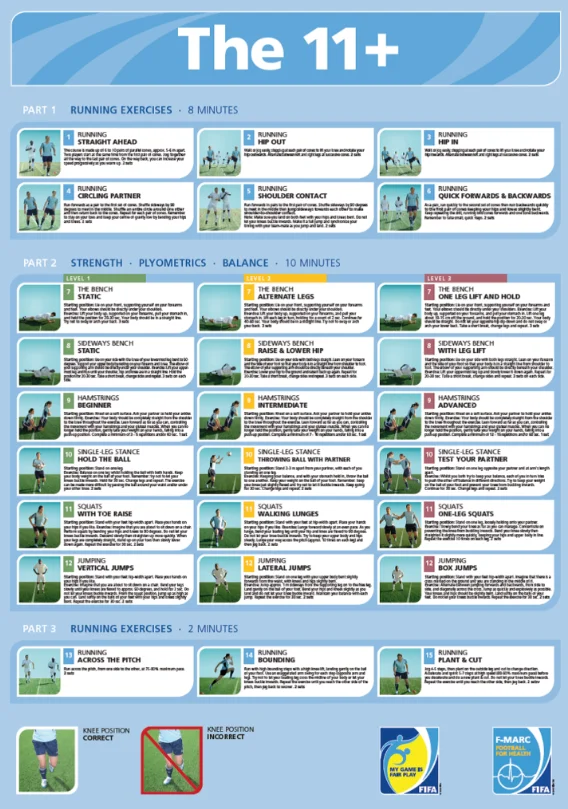
Structured warm-up routines have been shown to reduce injuries. The FIFA 11+ programme (PDF manual in French) is a well-known example that includes exercises to improve balance, strength and proprioception.
The FIFA 11+ programme has three parts, with a total of 15 exercises in a set order. It is recommended as the standard warm-up at the start of every training session, at least twice a week, with correct technique for each exercise. Before matches, only the running exercises (parts 1 and 3) should be done.
Proprioception training: improving joint stability
Proprioception training, which aims to improve awareness of the position of the joints in space, can also help prevent injuries, especially to the ankles and knees. Balancing on one leg or on a balance board are examples.
Targeted strengthening: supporting the joints
A strength programme targeting the muscles around the joints, especially the ankles and knees, can help stabilise them and reduce the risk of injury.
Conclusion: playing long and safely
Injury prevention in futsal is an ongoing process that requires everyone’s commitment: players, coaches and parents. By adopting these tips and best practices, you will help create a safer, more enjoyable playing environment for all. Remember that the keys are preparation, technique, the right equipment and awareness of the risks. So put on your best futsal shoes, warm up properly and enjoy the passion and excitement of this fantastic sport safely!
For more futsal guides and advice, explore the Training section of MEDIA FUTSAL.