
Optimising your physical preparation to excel at futsal
An aerobic base, targeted strength work, intervals that mimic the game, and proper recovery: how to build the fitness futsal demands, with a sample week and a zone calculator.
In this article · 8 chapters
- 1. Building the aerobic base: the foundation of futsal fitness
- 2. Strength training and joint protection: the futsal player’s shield
- 3. Intermittent training: repeating efforts, mastering intensity
- 4. Sports nutrition and recovery: the fuel of performance
- 5. Adapting your fitness training to futsal if you play 11-a-side
- 6. Equipment, tactical variety and mental strength: the essential extras
- 7. Practical tools and ways to progress
- Futsal training zone calculator (MAS)
Futsal is a dynamic, fast and demanding sport played on a small court. To shine at it, good technique and sharp vision are not enough. Solid physical preparation is the key to repeating intense efforts, avoiding injury and staying at a high level throughout the match. Whether you are an experienced player or use futsal to stay fit during football’s winter break, understanding and applying the principles of good futsal fitness training is essential.
This detailed guide will help you master the fundamentals of training, from strength work to nutrition, to make you a complete, high-performing athlete on the court.
1. Building the aerobic base: the foundation of futsal fitness
Futsal is made up of short, explosive actions, but make no mistake: endurance is vital. Strength and conditioning specialists stress the importance of building a robust aerobic base. Why? Because good endurance lets you recover faster between sprints, stay clear-headed and reduce the risk of injury.
1.1. The importance of the MAS test (Vameval)
To start your futsal fitness training, it is often recommended to take a maximal aerobic speed (MAS, or “VMA” in French) test, such as the Vameval test. This simple test assesses your maximal aerobic capacity and defines personalised training intensity zones.
“Knowing your MAS is like having a road map for your training. You know where you are going and how fast!”
Once your MAS is known, you can structure your endurance sessions. For example, running at 60–70% of your MAS for 30 to 40 minutes, several times a week, helps build that essential base. This gradual approach prepares your body for more intense efforts without shocking it.
1.2. Injury prevention and lasting performance
Quick changes of direction and stop-starts are everywhere in futsal, putting heavy stress on ankles and knees. Enough aerobic work before pure speed sessions considerably reduces the risk of joint injuries. Teams that prioritise this phase see their players hold up better. See our guide to injury prevention.
A good aerobic base also lets players keep up their physical level until the end of the match, avoiding the drop in performance in the final minutes. That is what separates the teams that excel and keep coming back. For more on how top teams train, explore the Training section.
2. Strength training and joint protection: the futsal player’s shield
A solid aerobic base is crucial, but to excel at futsal you also need a body ready to absorb impacts and generate power. Strength training is a pillar of physical preparation, protecting your joints and improving your explosiveness.
2.1. Key muscles and targeted exercises
The muscles most used in futsal include:
- Quadriceps and hamstrings: essential for sprints, jumps and changes of direction.
- Glutes: contribute to stride power and pelvic stability.
- Core stabilisers: improve postural control, balance and shooting power.
- Ankle and knee stabilisers: crucial to prevent sprains.
Here are some exercises to add to your routine:
- Squats and lunges: to build leg strength.
- Step-ups: improve explosive power.
- Core work (plank, side plank): strengthens the trunk and improves stability.
- Proprioception exercises: essential to strengthen ankles and knees. Use balance boards or unstable cushions.
“Muscle strength is not just about power; it is also your best insurance against injury.”
2.2. Plyometrics and agility
Plyometrics, combining horizontal and vertical jumps, is excellent for reproducing futsal’s explosive take-offs. These exercises turn strength into speed and reactivity. Alternate jumps on the spot, long jumps and jumps with a change of direction.
High-intensity multi-directional exercises, often placed at the end of a session, work on agility while managing muscle fatigue. They teach the body to keep its movements precise even when tired.
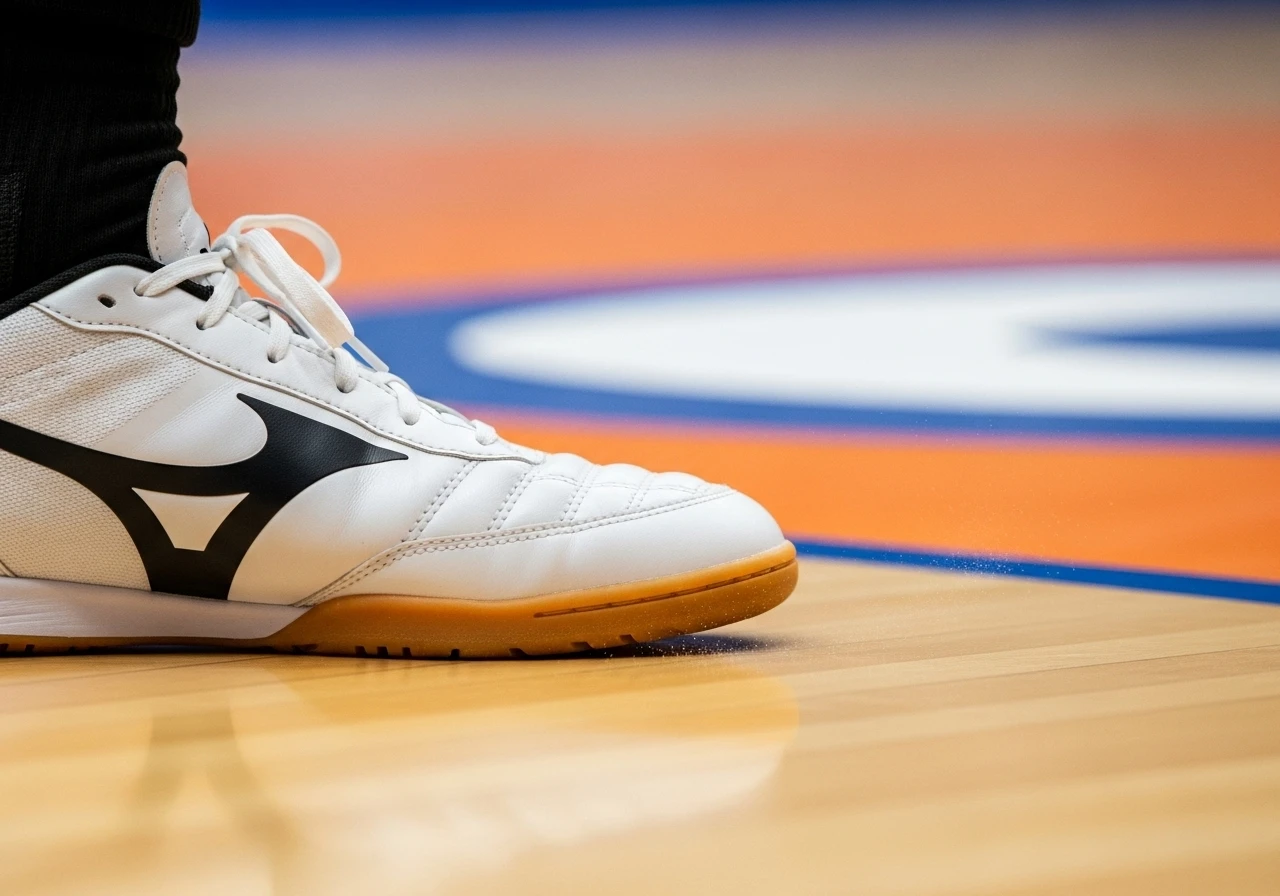
Do not forget good futsal equipment, especially suitable shoes that offer good support and shock absorption to protect your joints on hard floors. See our guide to choosing futsal shoes.
3. Intermittent training: repeating efforts, mastering intensity
Once your aerobic base is built and your muscles are stronger, it is time to move on to futsal-specific efforts: intermittent work. Futsal is a sport of short, repeated accelerations, and your training must reflect that.
3.1. Interval training for explosiveness
Interval training (HIIT, high-intensity interval training) is the method of choice to develop your ability to repeat sprints. It alternates very intense efforts with short recovery phases.
Common protocols:
- 20/15: 20 seconds of maximal effort followed by 15 seconds of active recovery (slow walk or light jog).
- 30/30: 30 seconds of intense effort, 30 seconds of recovery.
- 15/15: 15 seconds of effort, 15 seconds of recovery.
These exercises work the anaerobic lactic and alactic energy systems, crucial for futsal performance. The aim is to improve your ability to accelerate again and again, spend more time at full intensity and get your body used to the game’s constant changes of rhythm.
3.2. Combining it with tactics and staying clear-headed
Interval sessions can be combined with technical work: quick dribbling, dynamic passing in tight spaces, opposed games. This teaches players to stay clear-headed and precise, even when tired.
“Futsal is a continuous sprint broken up by moments of genius. Your body must be able to do both without flagging.”
Recovery is just as important as effort. Well-designed futsal training programmes include active jogging, massage and stretching. Fitness coaches carefully plan training volumes to avoid overtraining and optimise performance. Top-level matches such as the Barça – Jimbee Cartagena Spanish league final (FR) perfectly illustrate the importance of being able to repeat intense efforts.
4. Sports nutrition and recovery: the fuel of performance
Physical preparation is not limited to training sessions. What you eat and how you recover are decisive for your performance and health. Sports nutrition is a real ally.
4.1. Eating to support effort
To sustain futsal’s intensity, your body needs quality fuel.
- Complex carbohydrates: rice, wholemeal pasta, sweet potatoes, cereals… They provide the energy needed for intense, sustained efforts.
- Protein: lean meat, fish, eggs, pulses… Essential to repair and build muscle after exercise.
- Healthy fats: avocado, nuts, vegetable oils… They provide energy and matter for general health.
- Fresh fruit and vegetables: rich in vitamins, minerals and antioxidants, they help recovery and strengthen the immune system.
- Hydration: drink water regularly before, during and after training and matches. Dehydration considerably reduces performance.
Professional teams, such as those that contest the French D1 final (FR), follow strict nutrition plans.
4.2. The art of recovery
Recovery is as important as training itself. It is during this phase that the body repairs, adapts and gets stronger.
- Quality sleep: aim for 7 to 9 hours a night. Sleep is when most physical and mental recovery takes place.
- Active recovery: light jogging, cycling, gentle stretching, to improve blood flow.
- Massage and self-massage: can reduce stiffness and improve flexibility.
- Hot and cold baths: alternating temperatures can help muscle recovery.
- Managing stress: mental stress can also affect physical recovery.
A well-fed, well-rested body is sharper on the court, recovers faster between efforts and is less likely to get injured.
5. Adapting your fitness training to futsal if you play 11-a-side
Many 11-a-side footballers turn to futsal during the winter break to keep their fitness and their touch. This transition requires specific preparation to adapt to futsal’s demands.
5.1. The key differences
Futsal differs from 11-a-side football in:
- Smaller space: fewer long runs, more short sprints and changes of direction.
- Constant footwork: more intense, more frequent stress on the joints.
- High intensity: fewer breaks, constant effort.
- A different ball: heavier, less bouncy, favouring play on the floor.
5.2. Tips for a successful transition
For 11-a-side players, here is how to adapt your preparation to futsal:
- Keep the aerobic base: continue endurance runs (30–40 minutes) at the start of winter sessions to keep your fitness.
- General strengthening: add lunges, press-ups, wall sits and core work to strengthen the main muscles and the joints.
- Specific intermittent work: move quickly to 20/15 or 30/30 exercises to develop short-duration MAS and get the body used to futsal’s explosive efforts.
- Proprioception: put more emphasis on ankle and knee exercises, as they are much more stressed on indoor floors.
- Managing intensity: train in level groups to avoid overtraining. Rotations in matches are essential to manage fatigue.
This approach keeps you in excellent athletic condition and avoids a long break, ensuring you return to the big pitch in top form. Intense derbies such as Benfica – Sporting (FR) show how crucial specific physical preparation is for high-intensity matches.
6. Equipment, tactical variety and mental strength: the essential extras
Physical preparation is a pillar, but other elements are just as crucial for excellence in futsal. Equipment, tactical ability and mental strength all play a major role.
6.1. Futsal equipment: your second skin
Choosing your futsal equipment is essential.
- Futsal shoes: brands such as Nike and Adidas make specific models with reinforced soles for shock absorption and excellent grip on slippery floors. They are your direct link to the court and directly affect your stability and dynamism.
- Futsal ball: its limited bounce favours play on the floor and quick passing. Training with a quality ball is essential for good technique. See our guide to the futsal ball.
Good equipment contributes both to performance and to injury prevention.
6.2. Fitness in the service of tactics
Excellent physical preparation lets you carry out tactical plans more effectively. Switches of play, blocks, rotation systems and high pressing all demand a lot of energy.
When your legs respond, fatigue arrives later, which lets you:
- Make better decisions.
- Execute techniques with great precision.
- Win duels.
- Try more ambitious tactical patterns.
6.3. Mental strength: the invisible asset
Futsal is a sport of constant intensity in which matches can be very tight. The mental side is therefore crucial:
- Tolerance of frustration: essential in the face of mistakes or difficult moments.
- Clarity under pressure: keep making good decisions late in the match or in tense situations.
- Resilience: bounce back after conceding a goal or missing a chance.
- Self-confidence: reinforced by good physical and technical preparation.
Some teams even invest in a mental coach. The Meta Catania Scudetto final (FR) is an example of a match in which mental strength can tip the result.
7. Practical tools and ways to progress
For optimal physical preparation, organisation and monitoring are your best allies.
7.1. Tracking and analysing performance
- Mobile apps and smartwatches: record your heart rate, speed and distance covered, and analyse your performance after each session to set precise new goals.
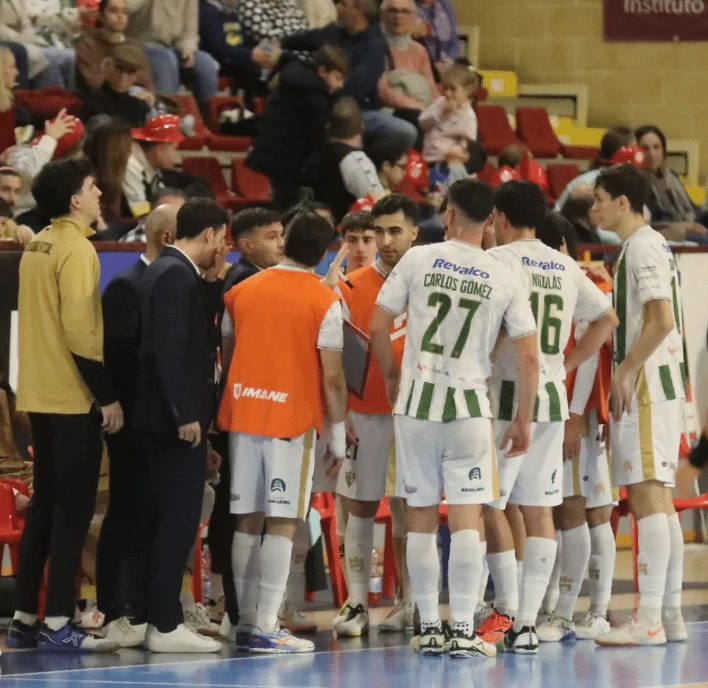
- Progress charts: a summary of your training and progress can be a great source of motivation. Coaches sometimes use a screen in the hall to explain sessions and objectives.
7.3. Sample futsal training week
| Session type | Duration / intensity | Aim |
|---|---|---|
| Day 1: aerobic endurance | 30–40 min at 60–70% MAS | Build a solid endurance base, improve recovery. |
| Day 2: strength and proprioception | 45–60 min (squats, lunges, core, jumps, balance board) | Develop strength, power and joint stability. |
| Day 3: intermittent training (HIIT) | 20–30 min of intervals (e.g. 20/15 or 30/30) + small-sided games | Improve explosiveness, repeated efforts and clarity under fatigue. |
| Day 4: active recovery / technique | 30–45 min (light jog, stretching, gentle technical work) | Help recovery, keep your touch. |
| Day 5: match / intense team session | Maximal, game-specific intensity | Apply what you have learned in match conditions. |
| Days 6 and 7: rest | Complete rest or light active recovery | Let the body fully regenerate. |
(This table is an example and should be adapted to your level, your goals and your fitness coach’s advice.)
By combining these elements, you will build complete, effective preparation that helps you reach your goals and excel on the futsal court. Consistency and listening to your body are the keys to success. See also our training guide for beginners.
Futsal training zone calculator (MAS)
Enter your maximal aerobic speed (MAS) to get your recommended futsal training zones. If you do not know your MAS, a test such as the Vameval is recommended.
Matches that show the value of preparation
Some observers cite the Movistar Inter – Barça (FR) match to underline the importance of rigorous mental and physical preparation: these games are decided on a knife-edge, and a second of lost concentration can change everything. Other matches, such as those of Racing in the French D2 (FR), show how managing physical intensity directly affects the final score. Well-prepared athletes deliver in the closing minutes, when the opponent tires.
Varied exercises also prevent monotony and keep motivation high, an essential condition for preserving the group’s dynamic.