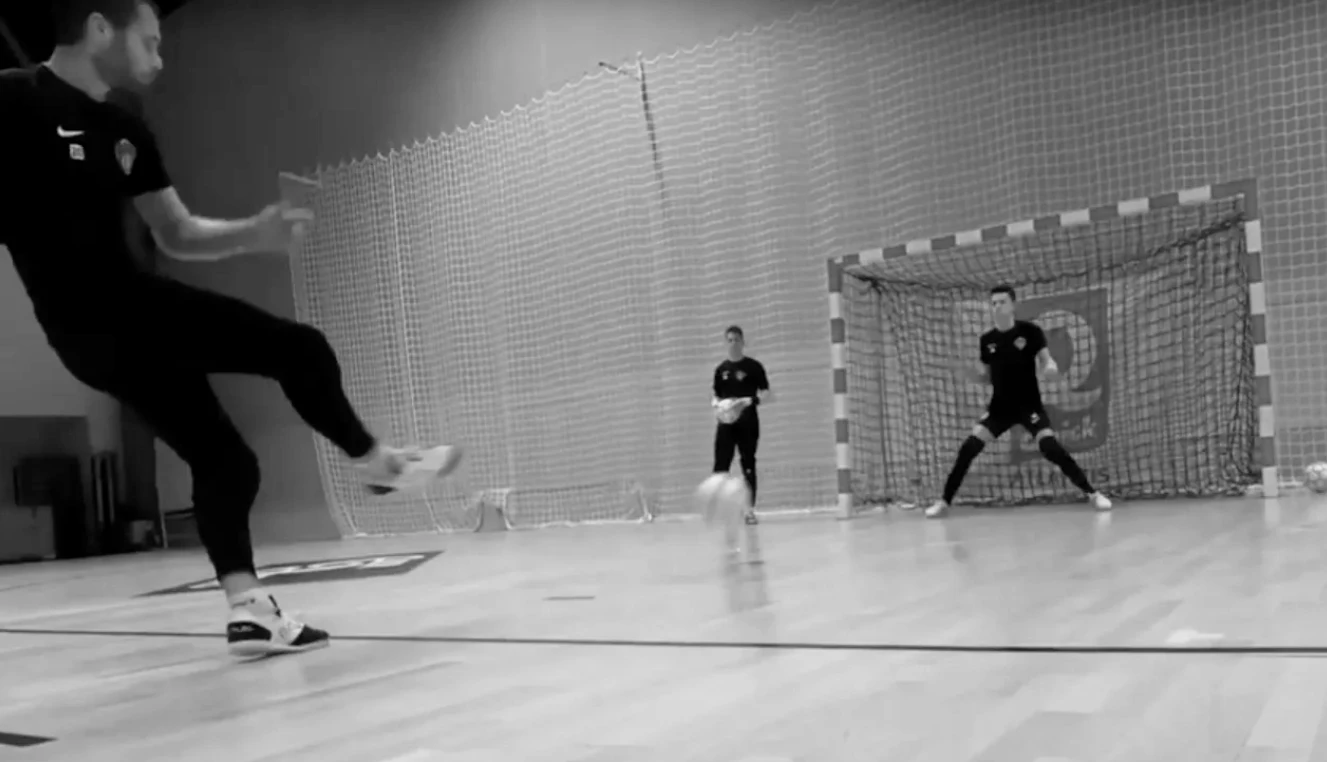

Futsal explained in under 5 minutes: a spectacular sport and its key rules
Five against five on a handball-sized court, a low-bounce ball, no wall after the fifth foul: everything you need to know about futsal in under five minutes.
Futsal, a spectacular and technical indoor sport, is attracting more and more players. Discover its key rules and why it appeals so much to football lovers.

Futsal stands out for its frantic pace and its exceptional technical demands. Born in South America in the 1930s, it quickly became a captivating alternative to traditional football. Its name, a contraction of the Spanish “fútbol” and “sala”, reflects its essence: indoor football. Today it appeals to a wide range of people around the world.
Futsal combines speed and precision on a small court, for a unique, technical experience!
Futsal: a spectacular, technical sport
The origins and rise of futsal
Futsal was invented in Uruguay to cope with urban constraints. With outdoor pitches rare and limited, this sport suited to small spaces quickly caught on. In Brazil, it helped legends such as Pelé and Ronaldinho perfect their technique. These iconic players often credited their agility and creativity to this intense game. Read the full history of futsal.
Its popularity has spread far beyond South America. In France alone, tens of thousands of players are registered, and the discipline is booming. The small court forces players to develop precision and reflexes, making every action count. The sport has become a reference for improving individual and collective skills.
Our free rules guide: “Futsal rules: the essentials” (PDF, in French). In English, see our guides to accumulated fouls and the 4-second rule.
What makes futsal unique
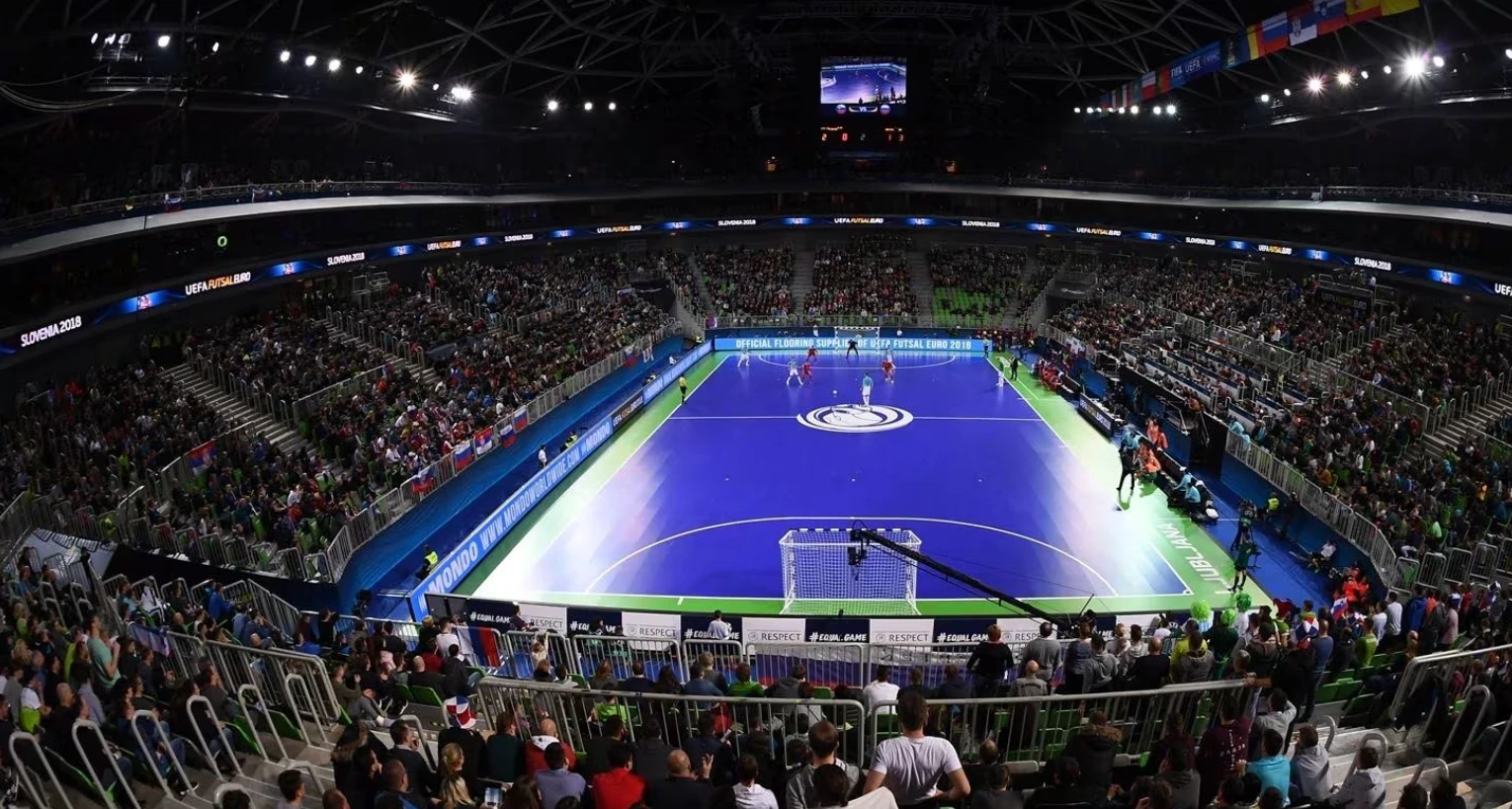
The goals are the same size as handball goals (3 m × 2 m), and the game is played five against five (four outfield players and a goalkeeper per team) on a court the size of a handball court.

The main rules of futsal, simply explained
Futsal compared with classic football
The differences lie in its own rules and the dynamics of the game. The goalkeeper, for example, restarts play with the hands after the ball has gone out over the goal line, which speeds up the action. Once a team has committed its fifth foul in a half, free kicks are taken with no defensive wall. That increases the chances of scoring while keeping the game flowing.
The accumulated-foul system adds a strategic dimension. After five fouls per team in a half, every additional foul leads to a direct free kick with no wall, from the second penalty mark. This rule demands strict discipline from players and can turn a match around. These elements give futsal its distinctive, memorable intensity. Compare with indoor football.
Sanctions and the role of fouls
Sanctions in futsal deeply influence how matches unfold. A player sent off leaves their team a player short for two minutes (or until the opponents score). This can completely unbalance the match and give the opponents opportunities. Yellow cards, though less severe, demand extra care to avoid a sending-off.
Team fouls encourage cleaner play. This keeps the game competitive while limiting needless stoppages. Spectators enjoy a continuous, engaging show, an essential feature of futsal.
The benefits and appeal of futsal for all ages
Advantages for players
Futsal is an exceptional opportunity to develop technical skills. The small court demands quick, precise decisions, strengthening vision and agility. Players learn to anticipate opponents’ movements and exploit every available space.
Played indoors, it is accessible all year round, whatever the weather. As a friendly activity, it encourages rewarding social interaction. This social side, combined with the intensity of indoor sport, attracts a varied public. Lovers of technical and strategic challenges will find plenty to enjoy.
Accessible to everyone
Futsal suits young people who want to learn the basics of football in a safe setting. Adults appreciate its intensity and tactical depth. Women are also taking part actively, with dedicated competitions that are gaining visibility. See our guide to futsal for children.
Facilities in towns and cities make regular play easy. Many clubs and schools organise sessions open to the public, which makes futsal attractive to beginners and experienced players alike.
More and more associations are being created, giving people new opportunities to play futsal.
Major futsal competitions and events
The big events
Internationally, futsal is celebrated through prestigious events. The FIFA Futsal World Cup brings together the best national teams. The UEFA Futsal EURO showcases European talent in spectacular matches: read our guide to the Futsal EURO.
In France, the national futsal cup is a key date in the calendar. These competitions give the sport more visibility and inspire new players. Emerging talents use them to shine and inspire future generations. Follow the leagues and competitions.
Iconic figures
Players such as Portugal’s Ricardinho and Brazil’s Falcão embody the spirit of futsal. Their creativity and spectacular skills captivate spectators around the world. These stars also take part in charitable initiatives that help promote this dynamic sport.
Their performances perfectly illustrate the qualities needed to excel in this sport, and their influence inspires millions of fans to take up the challenge of futsal.
The essential equipment to get started
What you need to play futsal
The right equipment makes futsal enjoyable and safe. Shoes designed for indoor surfaces give grip and comfort. The specific ball, smaller and less bouncy, makes precise control easier. A shirt, shorts and shin guards complete the set. See our equipment guide.
The cost remains affordable, with shoes available from around €30 and balls around €20. This encourages many people to give this exciting sport a try.
Comparing equipment costs
Futsal stands out for its low equipment costs compared with other sports. There is no need for the expensive studded boots of outdoor football, which makes “futebol de salão” (its Brazilian name) cheaper. This makes futsal attractive to families and players on all budgets.
Accessible, fast and demanding: futsal brings together unique qualities.