The pivot, master of the game: the 3-1 system in futsal explained
A line of three and one player up front: in the 3-1, the pivot holds the ball, pins the defence, finishes chances and triggers the press. A complete guide to the formation and its key role.
In this article · 7 chapters
Futsal, the dynamic and spectacular indoor game, has captivated a worldwide audience with its frantic pace, technical quality and elaborate strategies. Much more than an adaptation of football, futsal has its own codes and a unique tactical richness, with an undeniable influence on the development of young and professional footballers. At the heart of it all, the 3-1 system stands out as a basic tactical structure, the foundation on which many teams build their game. Its effectiveness depends largely on one player whose role is both complex and crucial: the pivot.
This article explores the 3-1 system in depth and highlights the key function of the pivot in this formation. Whether you are a coach looking to expand your tactical options, a keen player wanting to understand the game better, or a parent following your child’s development, this guide sheds full light on the responsibilities, skills and vital importance of the pivot in this set-up.
The fundamentals of the 3-1: a balanced tactical structure
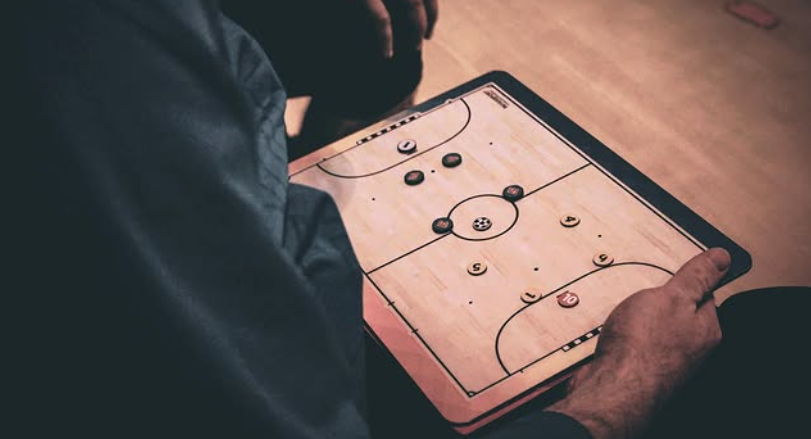
The 3-1 system is a tactical organisation in which the four outfield players are spread across the court in a specific way. You can picture it as an upside-down “T”: a line of three players forms the base, usually a fixo (central defender) and two wingers, while a more advanced player leads the attack. That player is the pivot. This shape strikes a subtle balance between a solid defensive base, provided by the line of three, and a constant attacking presence thanks to the pivot up front.
The FIFA Training Centre, in its futsal coaching resources, clearly illustrates the 3-1 through a practical exercise: three defenders face three attackers in two thirds of the court, while the attacking team’s pivot stays in the final third, creating a 4 v 3 overload in attack. This shows the pivot’s primarily attacking role and their ability to create immediate danger near the opponent’s goal.
The 3-1 system is particularly valued for its versatility and adaptability to different phases of play. The three deeper players help the team keep the ball, offering passing options and a degree of defensive security. At the same time, the pivot, higher up the court, is an essential reference point for launching attacks and creating openings. This flexibility suits different strategies, from patient possession to quick transitions and counter-attacks. See also our guide to futsal formations.
The pivot: the attacking centrepiece
Creating depth and space
One of the pivot’s fundamental functions in the 3-1 is to give the attack depth. Their advanced position stretches the opposing defence, forcing defenders back and creating valuable space between the lines. Even without the ball, the pivot’s movement is crucial to disorganise the opposing block and open gaps for team-mates. A typical example: the pivot drops slightly into midfield, taking a central defender with them and freeing space in behind for a winger or the fixo to attack with a quick run. The pivot is a fixed reference point for team-mates and a magnet for defenders, which creates opportunities for others and makes the team’s attack less predictable.
Holding and distributing the ball
A quality pivot needs excellent ball control, because they are frequently under intense pressure, often man-marked. The ability to hold the ball with their back to goal, shield it and distribute it intelligently is fundamental to building attacks. The FIFA Training Centre stresses that the pivot should look to keep the ball and slow the game down after receiving it, so the team can reorganise and prepare the next action. The pivot is a link between defence and attack: they receive a pass from the defenders or wingers and turn it into a scoring chance through vision, passing quality and quick decisions under pressure, with accurate lay-offs to release the wingers or a pass back to the fixo to restart the build-up.
Turning and shooting
Holding and distributing the ball are essential, but the pivot’s ability to turn quickly and shoot is just as important to finish moves. A good pivot must be a constant threat to the opposing goalkeeper, able to score in different ways and with both feet: powerful shots, precise finishes or subtle flicks. This finishing ability makes the pivot a formidable player and a major asset. Their presence in the danger zone keeps the defence on alert and can create space for other attackers.
Playing with the back to goal
Playing with the back to goal is a distinctive, fundamental feature of the pivot’s role. It lets the player receive the ball while shielding it from the defender, using the body as a barrier, and make quick, informed decisions about what to do next. The pivot can lay the ball off first time to a team-mate running into space, turn quickly to shoot if the chance arises, or keep the ball to buy time while the team moves up. Specific skills such as a back-heel for a subtle lay-off or a cut to beat the direct opponent are valuable tools, letting the pivot surprise the defence and create openings. Mastering this lets the pivot control the tempo, draw fouls and create unexpected passing angles; it requires excellent coordination, balance and quick reading of the game. See our guide to mastering the pivot role.
The pivot: a defensive barrier
First defender and pressing trigger
The pivot’s role is not limited to attack. They are often the team’s first defender, responsible for triggering the press on the opposing defence and disrupting the goalkeeper’s or defenders’ build-up. Their starting position in the defensive phase clearly signals how high the team will press: a high pivot means the team wants to win the ball back quickly in the opponent’s half. An active, intelligent and well-positioned pivot can win important balls in dangerous areas and launch quick, effective counter-attacks, catching the opposing defence off guard. This requires good reading of the game, the ability to anticipate passes and the stamina to keep pressing. See our guide to finding the pivot against the press.
Tracking back and support
In some situations, especially when the opponents have the ball in their own half and are building patiently, the pivot may drop back to reinforce the defensive block and support team-mates. Their presence can help intercept passes aimed at the opposing wingers, close gaps between defenders and contest duels to win the ball. This tactical versatility is increasingly expected of top-level pivots, who must switch smoothly between attacking and defensive roles.
How the pivot’s role has evolved in modern futsal
The pivot’s role has changed significantly over the years, reflecting tactical developments and the overall rise in the level of play. Once often confined to a pure target-forward role whose main job was to score, the modern pivot is a far more versatile player, involved in every phase of play. Today there are different types of pivot. The strong, dominant pivot excels with their back to goal, using physical power to shield the ball and win duels. The mobile pivot moves much more around the court, offering varied passing options, taking an active part in build-up play and pushing forward to create danger. Modern pivots are also increasingly involved in creating play, dropping deep to help distribute the ball and showing leadership through their positioning and calls. Combining physical strength, technical finesse and tactical intelligence, the pivot has become ever more important to a team’s balance and effectiveness.
The 3-1 in action: tactical analysis and examples
Analysis of recent matches
Tactical analysis of UEFA Futsal Champions League matches highlights how effective the 3-1 can be when teams have top-level pivots who combine physical power and technical finesse. Analysts note that teams with a strong attacking reference point tend to score more, which underlines the importance of a high-performing pivot to get the most out of the formation. Using the pivot in the 3-1 creates overloads in the attacking zone and offers varied passing options to unsettle opposing defences. Follow the UEFA Futsal Champions League.
Coaching strategies
Leading futsal coaches agree on the central role of the pivot when they choose the 3-1. The FIFA Training Centre offers specific advice and practical exercises for coaches on the pivot’s body position when receiving the ball and the decision-making options available depending on the situation. These recommendations stress the importance of specific work with pivots in training, focusing on their ability to pin the defence, create space for the wingers and offer a reliable passing option in build-up.
What the numbers say
Comprehensive statistics comparing the 3-1 with other systems are hard to obtain, but data from high-level competitions such as the UEFA Futsal Champions League give a useful insight. Where they are available, statistics suggest that a dominant, well-used pivot in a 3-1 can have a significant impact on a team’s results, especially on goals scored.
Advice for coaches and players
Coaches who want to develop talented pivots within a 3-1 should focus on the role’s specific technical skills: ball control under pressure, playing with the back to goal, finishing, and intelligent movement to get free and create space. Specific drills can improve these fundamentals by simulating real match situations and insisting on quick decision-making. For players who want to excel in this demanding position, tactical awareness, the ability to read and anticipate the game, and excellent fitness to repeat efforts and changes of pace are just as important as technique. It is also essential to work on communication with team-mates to perfect combinations and attacking movements.
Conclusion: the pivot, the keystone of the 3-1
The pivot is much more than a centre-forward in the 3-1 system. They are the beating heart of the attack, the first line of defence and a player whose technical quality, understanding of the game and tactical intelligence can make the difference between victory and defeat. The role has evolved considerably and now demands greater versatility and adaptability. Whether you are a coach, a player or a parent, understanding the importance and subtleties of the pivot’s role in the 3-1 is essential to fully appreciate the richness, complexity and beauty of futsal. Let us encourage the development of these exceptional players: they are the true masters of the game on the futsal court.