
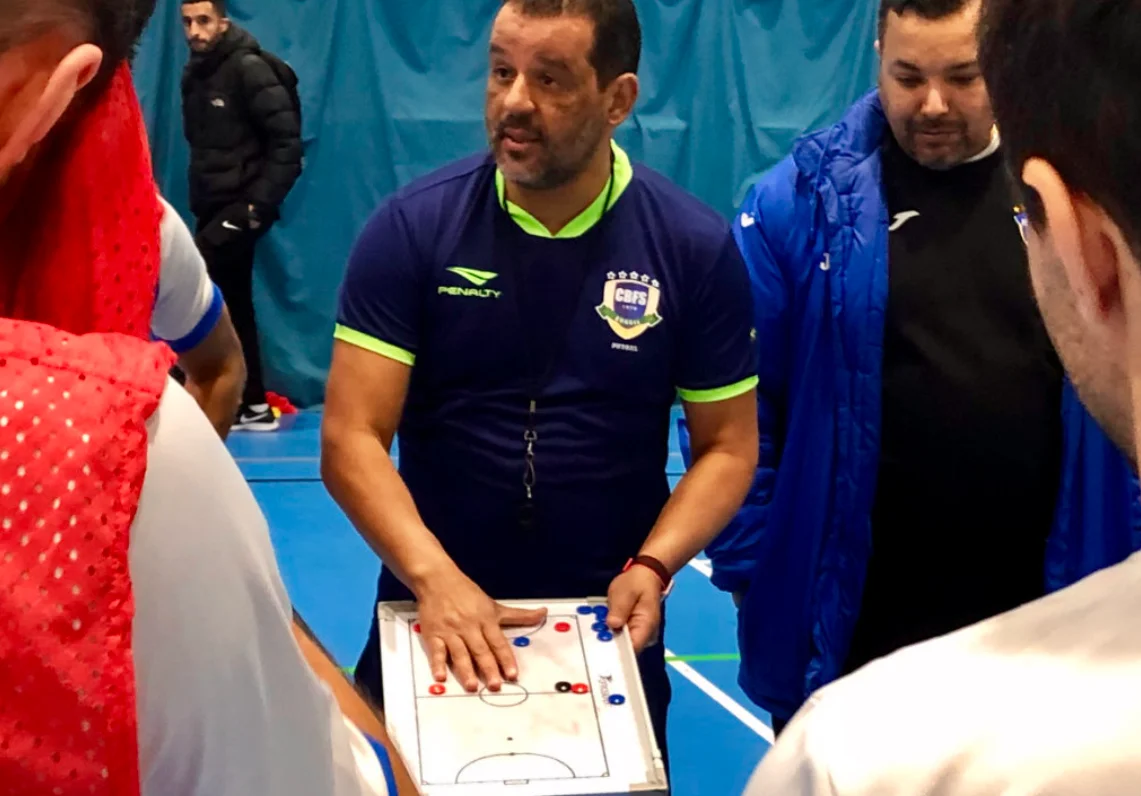
Mastering the pivot: the key to beating the press in futsal
Draw the press, then play into the pivot: a three-zone drill inspired by José Venancio López to teach your team to escape pressure and attack.
Futsal, a fast-growing sport, demands exceptional tactical intelligence and technical mastery. Among the many ways to unsettle the opponent, looking for the pivot to break the opposing press stands out for its effectiveness. Inspired by the analysis of José Venancio López, this article explores this essential tactic, with a practical guide for players and coaches who want to improve their game. Futsal is a sport that demands precision and speed of execution.
Understanding the importance of the pivot
In futsal, the pivot is much more than a player positioned in the middle. They are an anchor point, a creator of space and a facilitator. Their ability to keep the ball under pressure, open their body to offer passing options and play with their back to goal is crucial to unlock complex situations. The pivot is the link between defence and attack: a good pivot breaks lines and creates scoring opportunities. See our guide to pivot play.
The drill: breaking down the press in a 3-1
José Venancio López’s drill is a structured method to perfect this skill. It is built around dividing the court into three distinct zones:
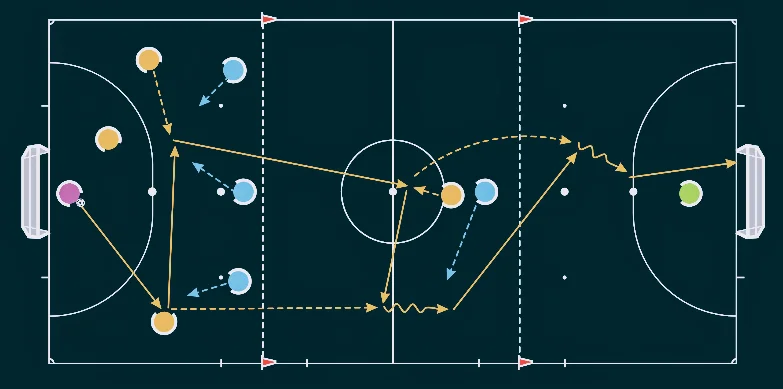
Zone 1: the build-up (3 v 3 + goalkeeper)
This zone is where the action starts. The aim is to create numerical superiority to draw the opposing press and open space. The goalkeeper can start with a short pass to one of their three team-mates or try a bolder pass straight into the pivot in zone 2. The goalkeeper’s speed of decision is vital.
Zone 2: the pivot combination (1 v 1)
This is where the pivot comes in. They must combine with team-mates to move into zone 3. The zone is designed to isolate the pivot and force them to use technique and intelligence to beat their direct opponent. Passes must be accurate and firm. The pivot must shield the ball and play with their back to goal.
Zone 3: the finish (open)
Once the ball reaches zone 3, every player can join in to finish the move. The aim is to score. This zone encourages creativity and improvisation; speed of execution and shooting accuracy are essential.
When a team loses the ball, roles are reversed instantly and the opponent attacks. This dynamic encourages intensity and reactivity.
The technical keys to success
Several technical elements are essential to master this tactic:
- Body orientation: gives a panoramic view of the game and better anticipation of the opponent’s movements.
- Offering options: giving the ball carrier passing options speeds up progress into the next zone.
- Body feints: create space and make receiving the ball easier.
- Keeping the ball: mastering ball control is fundamental to avoid losing possession.
- Movement: constant movement with and without the ball draws defenders and creates openings.
- Timing and space: the pivot must show in the right spaces at the right moment to receive passes.
- Passing accuracy: crisp, accurate passes are essential for fluid progress.
- Shielding the ball: the pivot must protect the ball and play with their back to goal to keep possession.
Beyond the drill: applying it in matches
The drill is not an end in itself. It is a tool to develop the skills and tactical understanding needed to apply this strategy in matches. Teams that master finding the pivot can unsettle opposing defences and create scoring chances. Modern futsal is a game of movement and combinations. See also our guide to pressing, to understand what you are trying to beat.
Conclusion: the pivot, a major asset
Looking for the pivot to escape the press is an essential tactic in futsal. It requires technical mastery, tactical intelligence and good communication between players. By building this drill into their training, teams can improve their ability to beat the opposing press and create scoring opportunities. Futsal is a sport of precision and speed: keep exploring the Training section to stay ahead tactically.